
Opening Hook
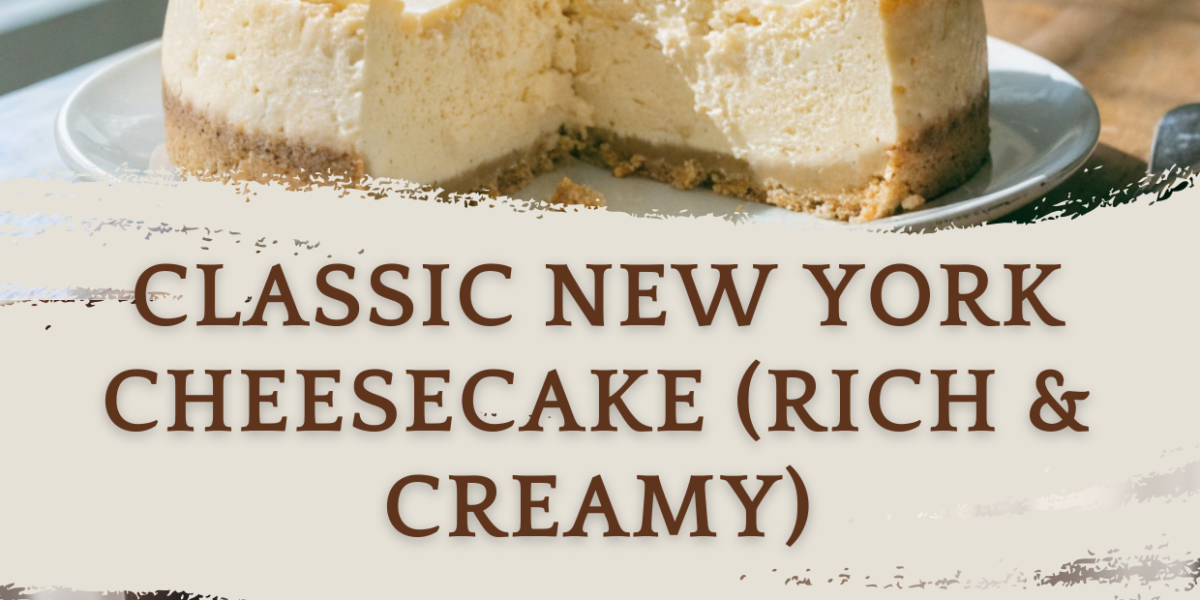
The first time I tried making a New York cheesecake, it cracked right down the middle. I remember pulling it out of the oven thinking it looked perfect… then five minutes later, it split like dry ground. It still tasted good, but yeah, not something you’d proudly serve. After a few tries, this version finally gave me that smooth top and dense texture I was aiming for.
Why This Recipe Works
Here’s the thing—New York cheesecake isn’t complicated, but it’s unforgiving if you rush it. What I figured out is that temperature and patience matter more than anything. Room temperature ingredients, slow baking, and letting it cool properly make the difference between a creamy cheesecake and a cracked one.
Ingredient Notes
Full-fat cream cheese is non-negotiable. I tried using a lighter version once and the texture just wasn’t right. Philadelphia is usually what I go with.
Graham crackers for the crust are standard, but I’ve used store-brand ones and didn’t notice much difference.
Vanilla bean paste gives a better flavor than extract, but if you only have extract, it still works.
Sour cream and heavy cream both help soften the texture so it’s rich but not too dense.
How to Make It
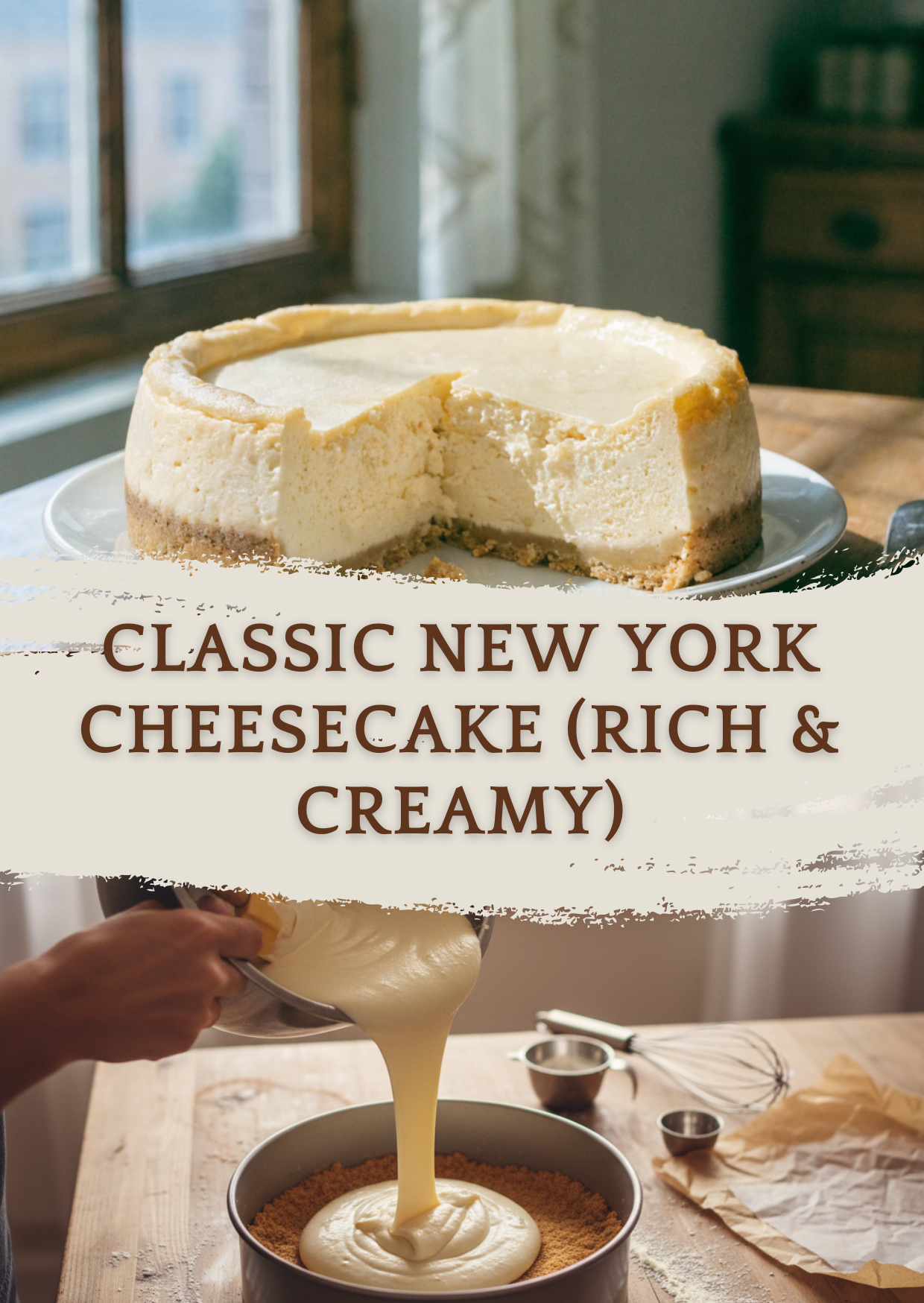
I start with the crust. I crush the graham crackers until they’re fine crumbs, mix them with melted butter and a bit of sugar, then press everything into the bottom of a springform pan. I bake it for about 10 minutes just to set it, then let it cool.
For the filling, I beat the cream cheese until it’s completely smooth. This step matters—I used to rush it and ended up with lumps that never went away. Then I add sugar gradually, followed by the eggs one at a time. Don’t overmix here—just enough to combine.
After that, I mix in the sour cream, heavy cream, vanilla, lemon juice, and a pinch of salt. The batter should be smooth and slightly thick.
I pour the filling over the crust and bake it in a water bath. I used to skip this step, and that’s exactly why my cheesecakes cracked. The steam helps it bake evenly.
It goes into the oven at a moderate temperature and bakes slowly. The center should still jiggle slightly when you take it out—that’s normal. I turn off the oven and let it sit inside with the door slightly open. This part is boring but important.
Once it cools completely, I refrigerate it for a few hours (overnight is better). That’s when it really sets.
Things I Learned the Hard Way
Cold ingredients = lumpy batter. Let everything sit out first.
Overmixing adds too much air, which causes cracks. Keep it gentle.
Skipping the water bath almost guarantees cracks. I tried it more than once—it never worked.
Don’t rush cooling. Sudden temperature changes will ruin the top.
Storage & Serving Suggestions
This keeps in the fridge for about 4–5 days. I usually serve it plain or with berries on top. It also freezes well if you wrap it tightly, but the texture is always best fresh.



Leave a Reply